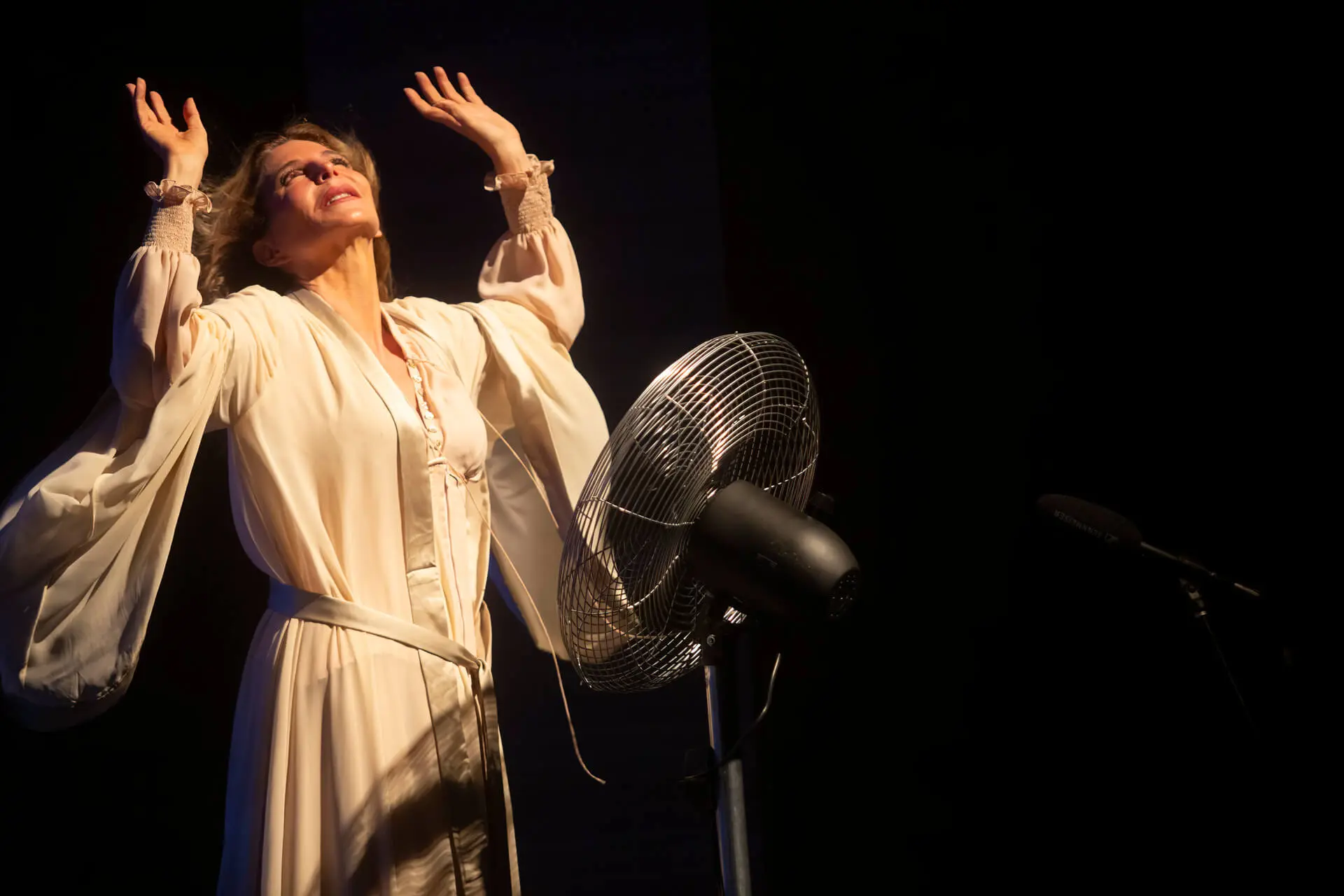
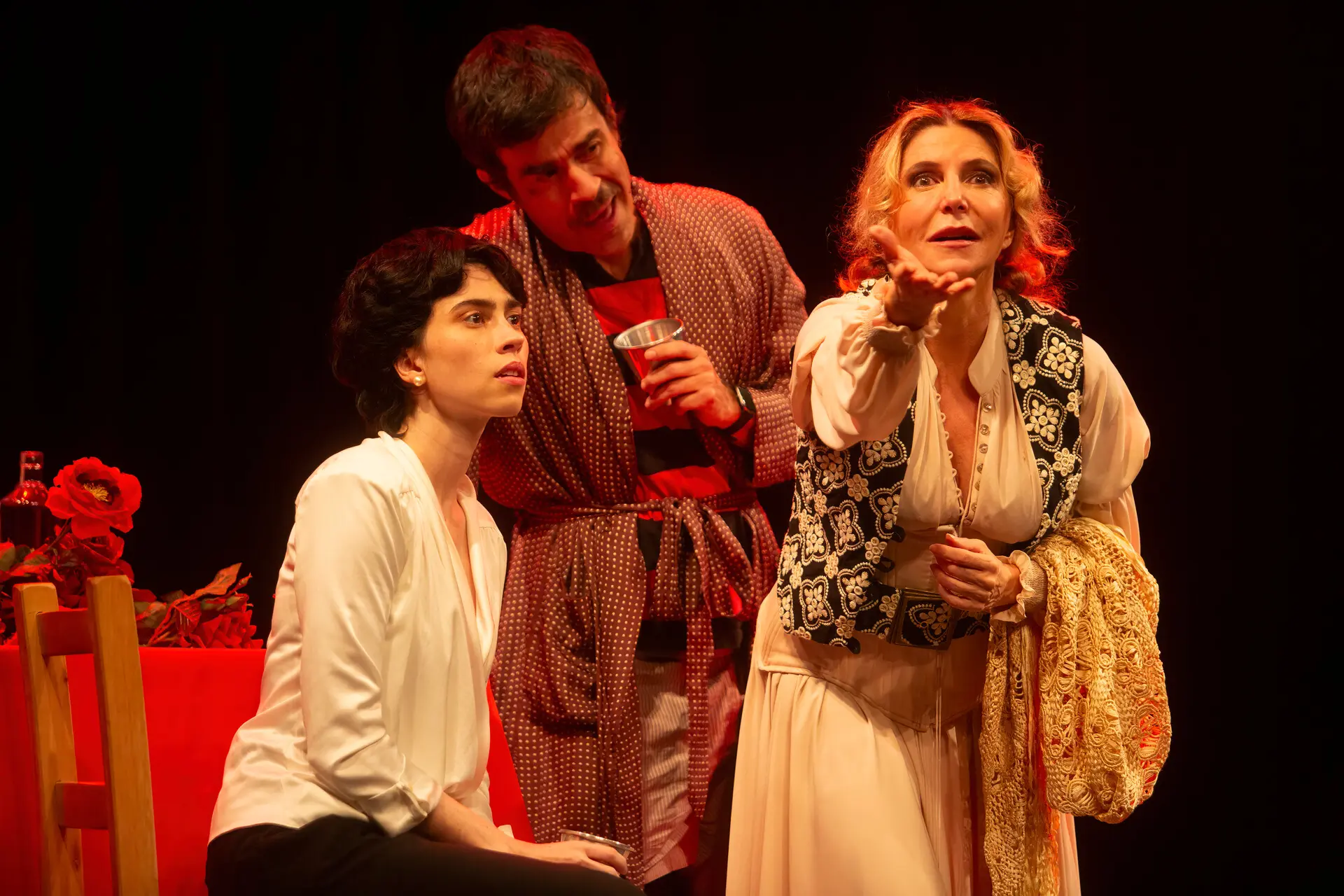

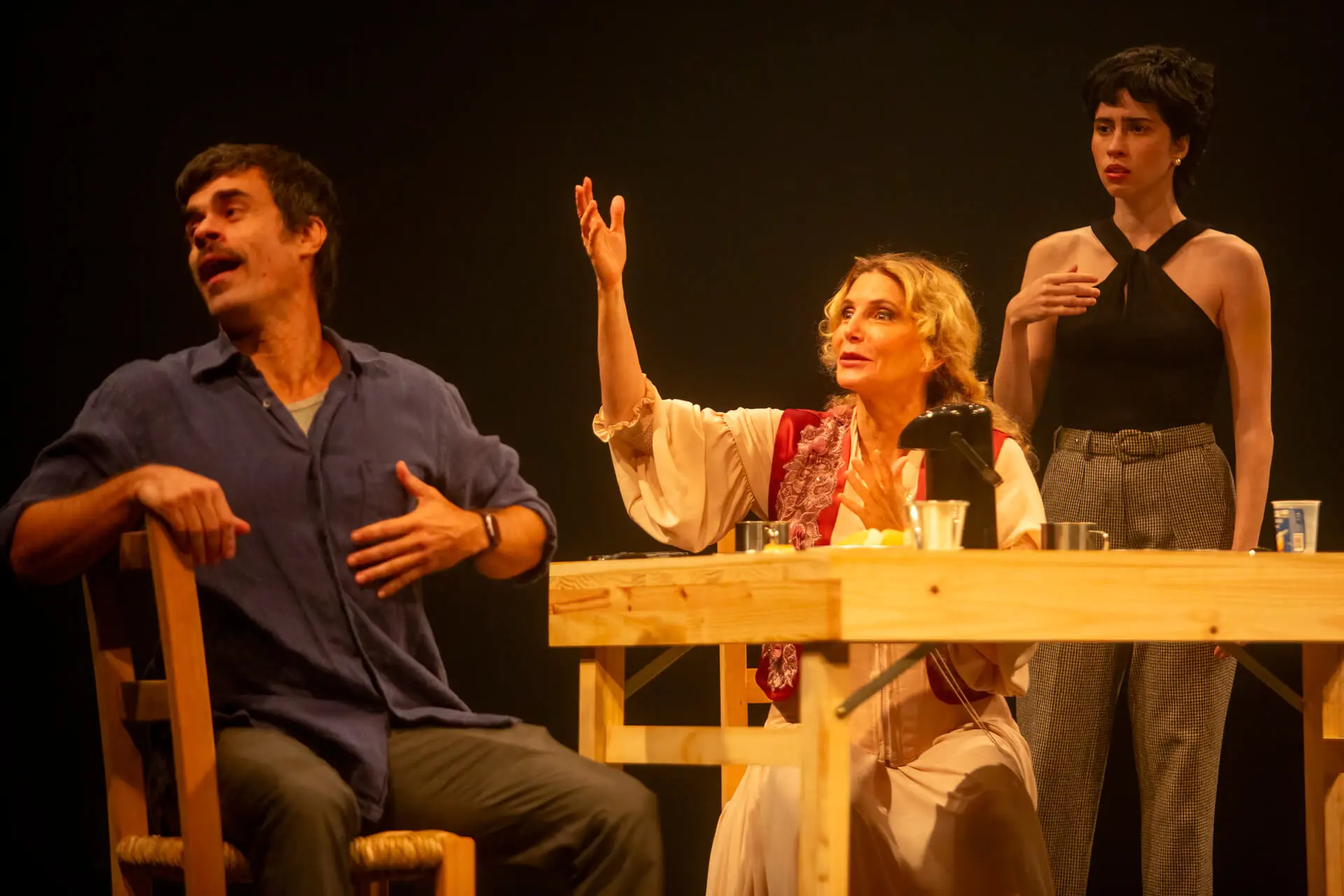
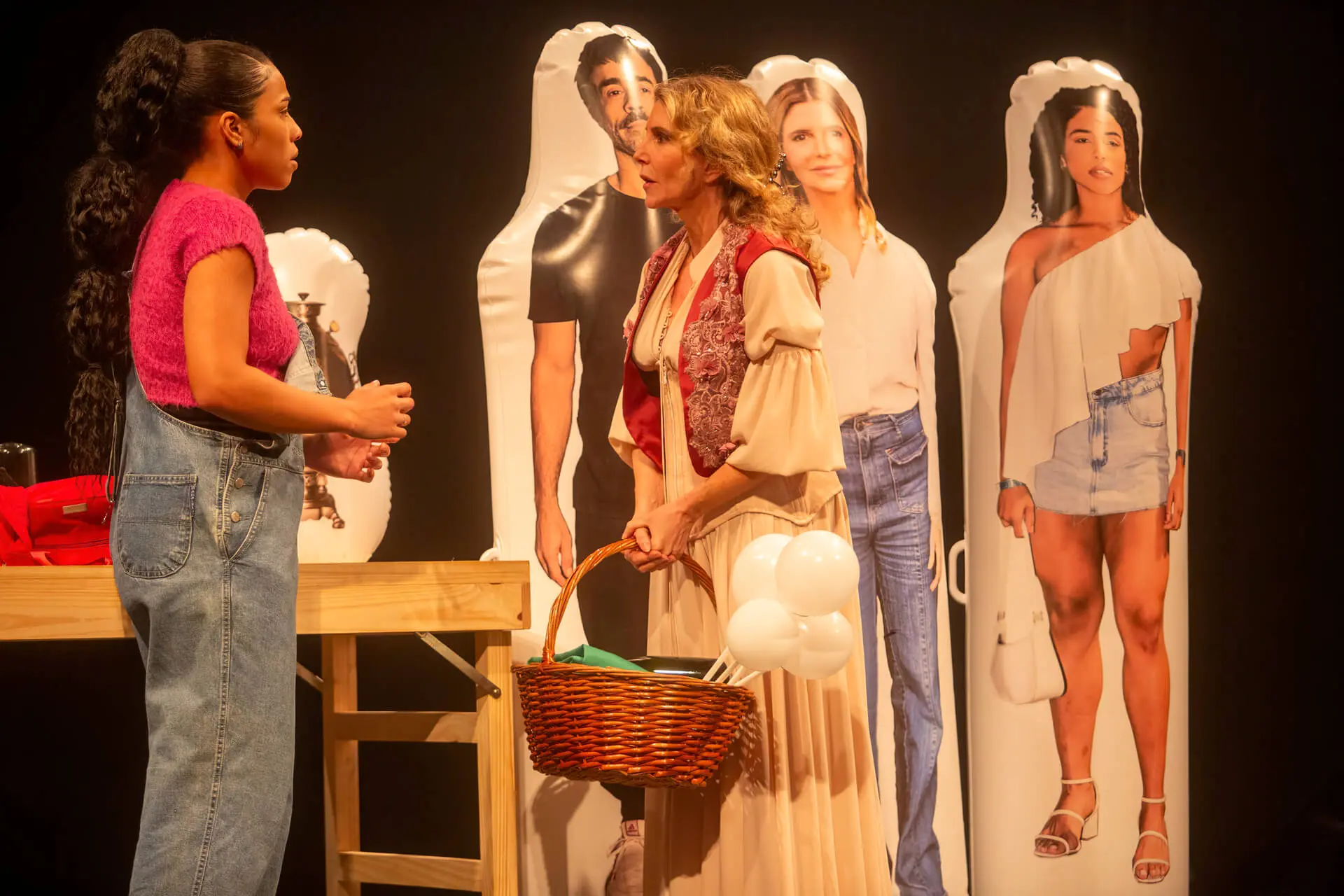
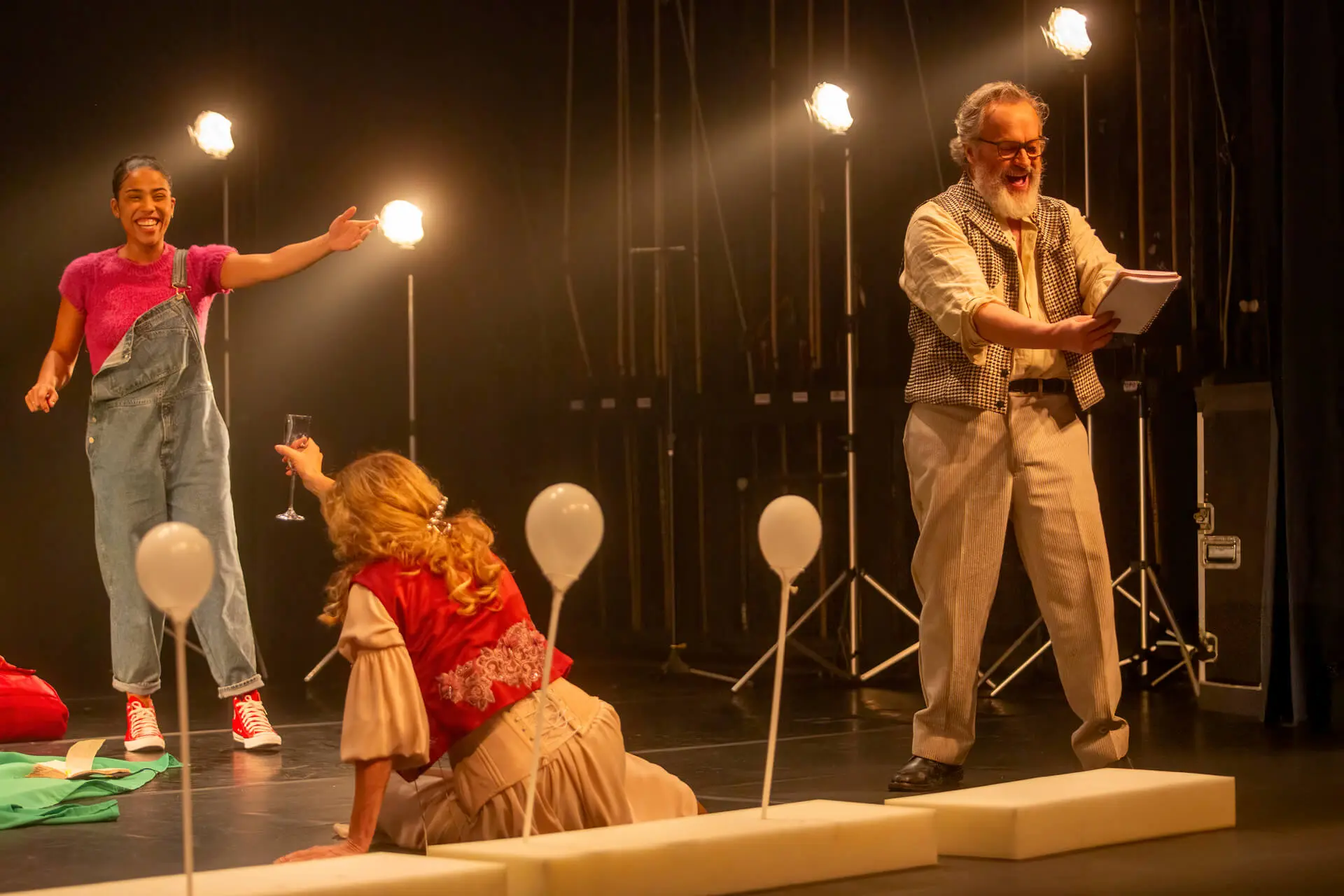
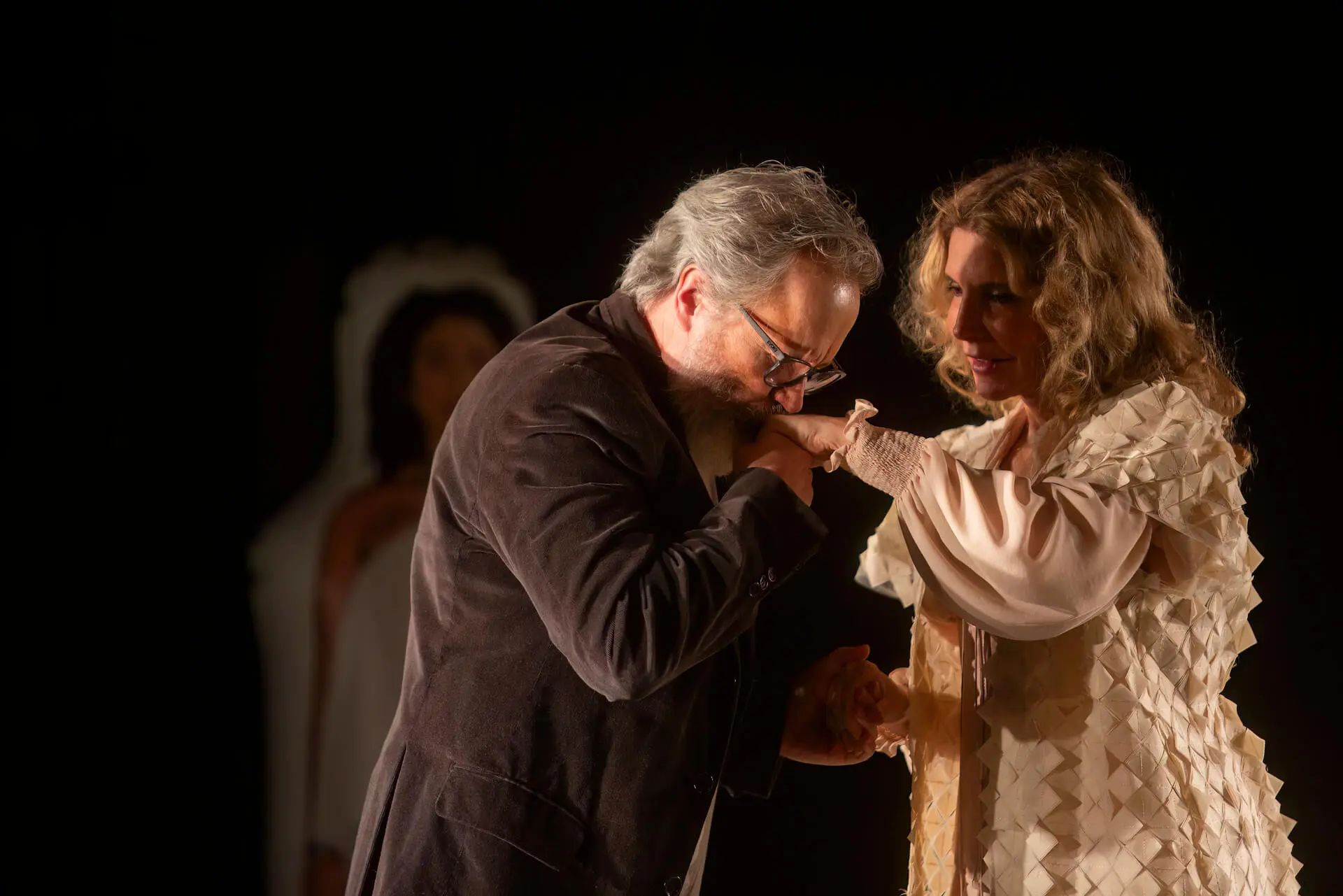

Anton Chekhov is one of the playwrights most beloved by actors and fellow playwrights alike, and for good reason. His characters are three-dimensional—avoiding archetypes or caricatures—and shift between the spoken and the unspoken in the blink of an eye, all while grappling with universal emotions such as frustration, unrequited love, boredom, a longing for change, and the transience and finitude of life. He is, and will always remain, an inspiration. In A Garden for Chekhov—a production by Pedro Brício directed by Georgette Fadel—the Russian author not only permeates the narrative but emerges as a character in a plot that, with humor and delicacy, connects his world to contemporary Brazilian reality.
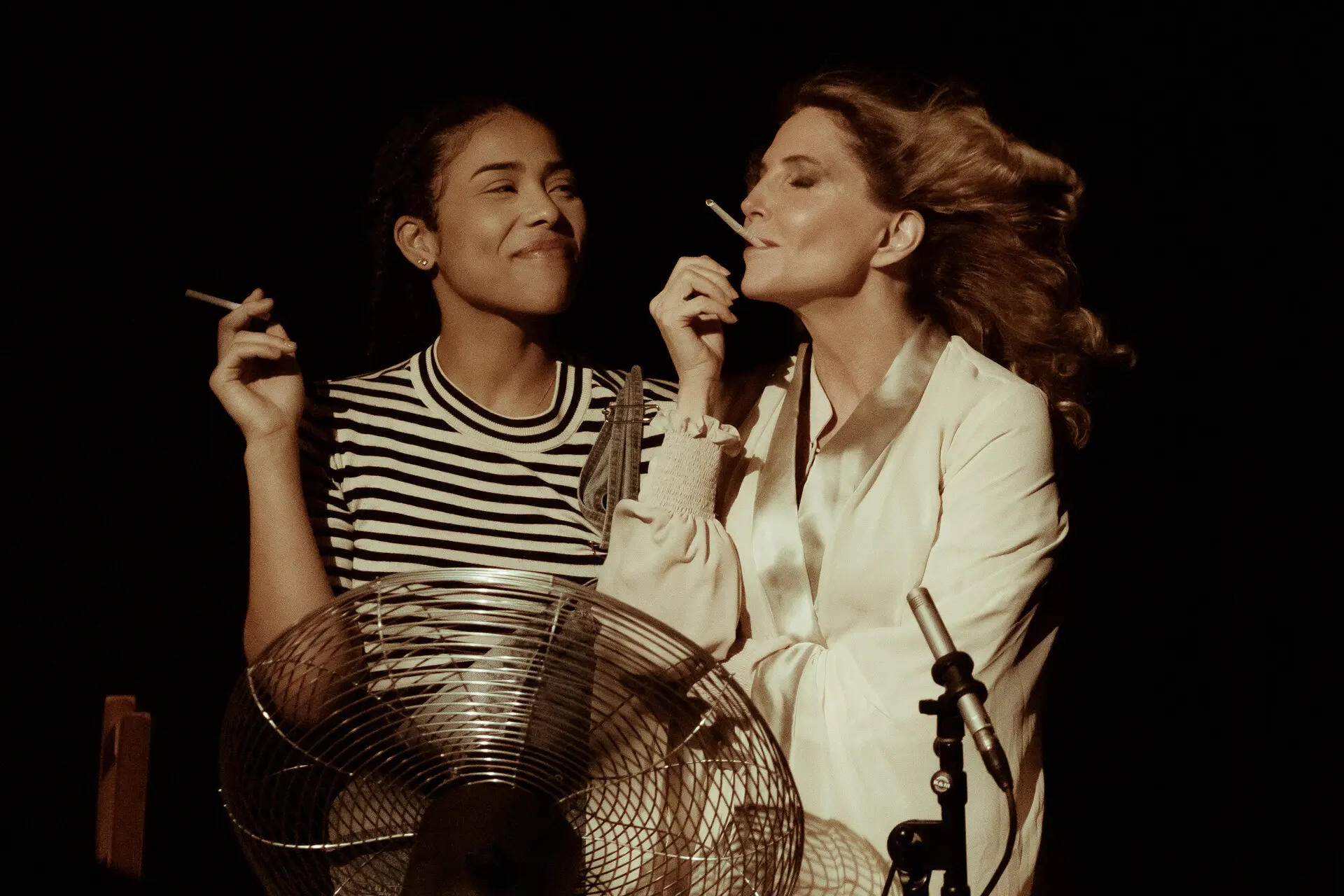
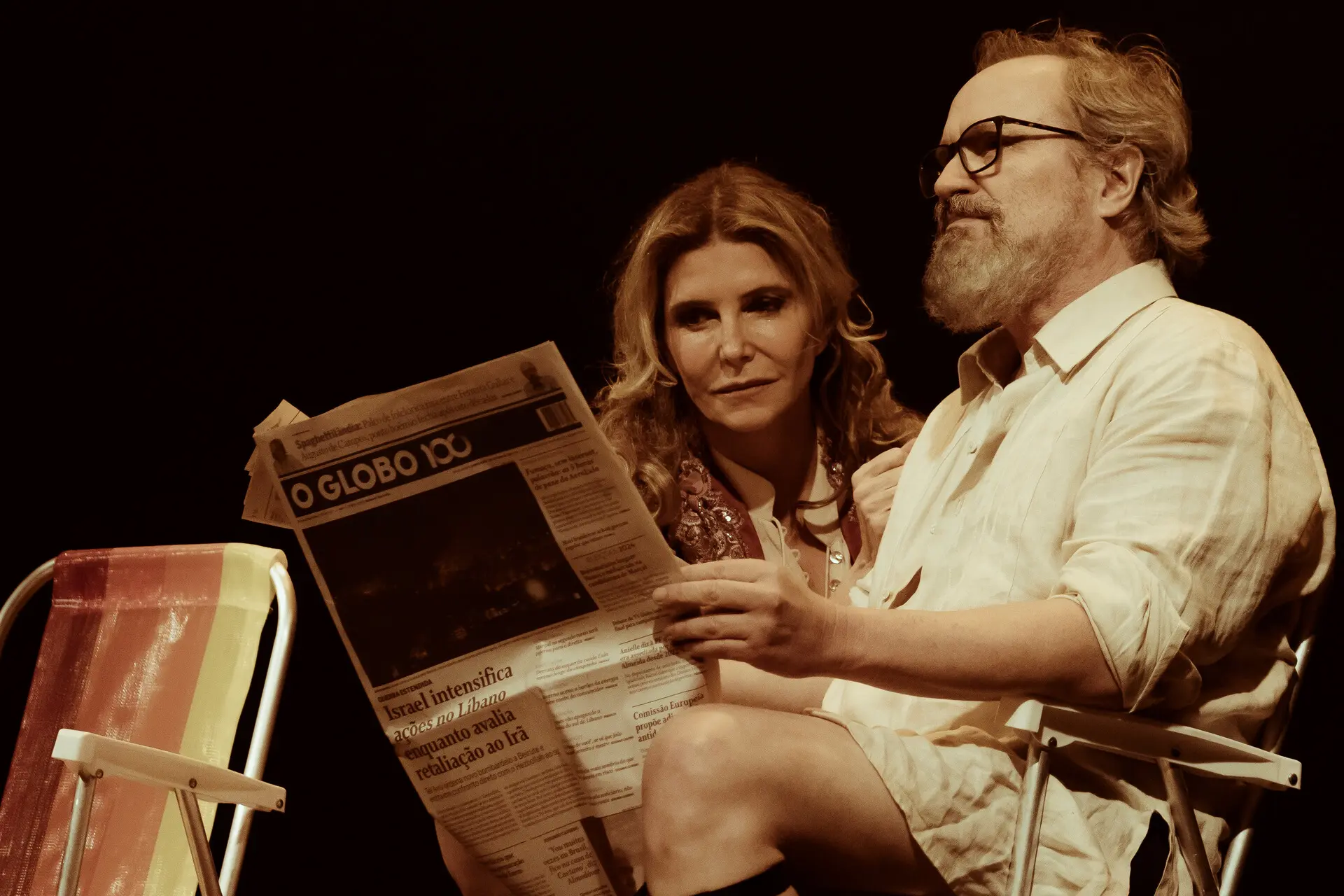
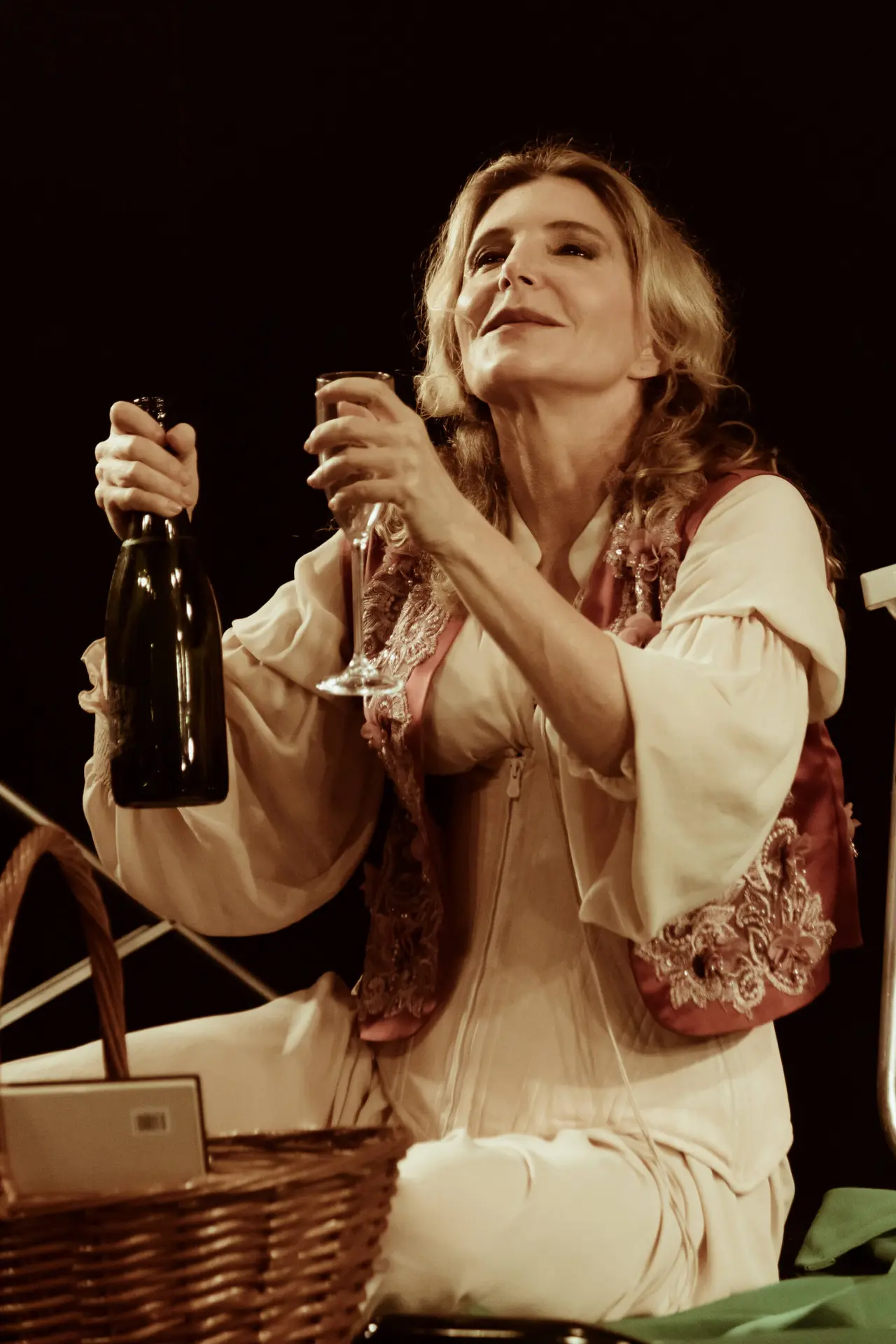
Chekhov’s complex plays find beauty and drama in the everyday, challenging directors to discover intensity within simple gestures and mundane dialogue. This is precisely what audiences will see in Maria Padilha’s portrayal of Alma Duran, a veteran actress seeking new meaning in her life during uncertain times. Living in a Rio de Janeiro apartment complex with her daughter Isadora (Olivia Torres)—a doctor—and her son-in-law Otto (Erom Cordeiro)—a police officer—Alma dreams of staging a production of *The Cherry Orchard* while teaching acting to young Lalá (Iohanna Carvalho).
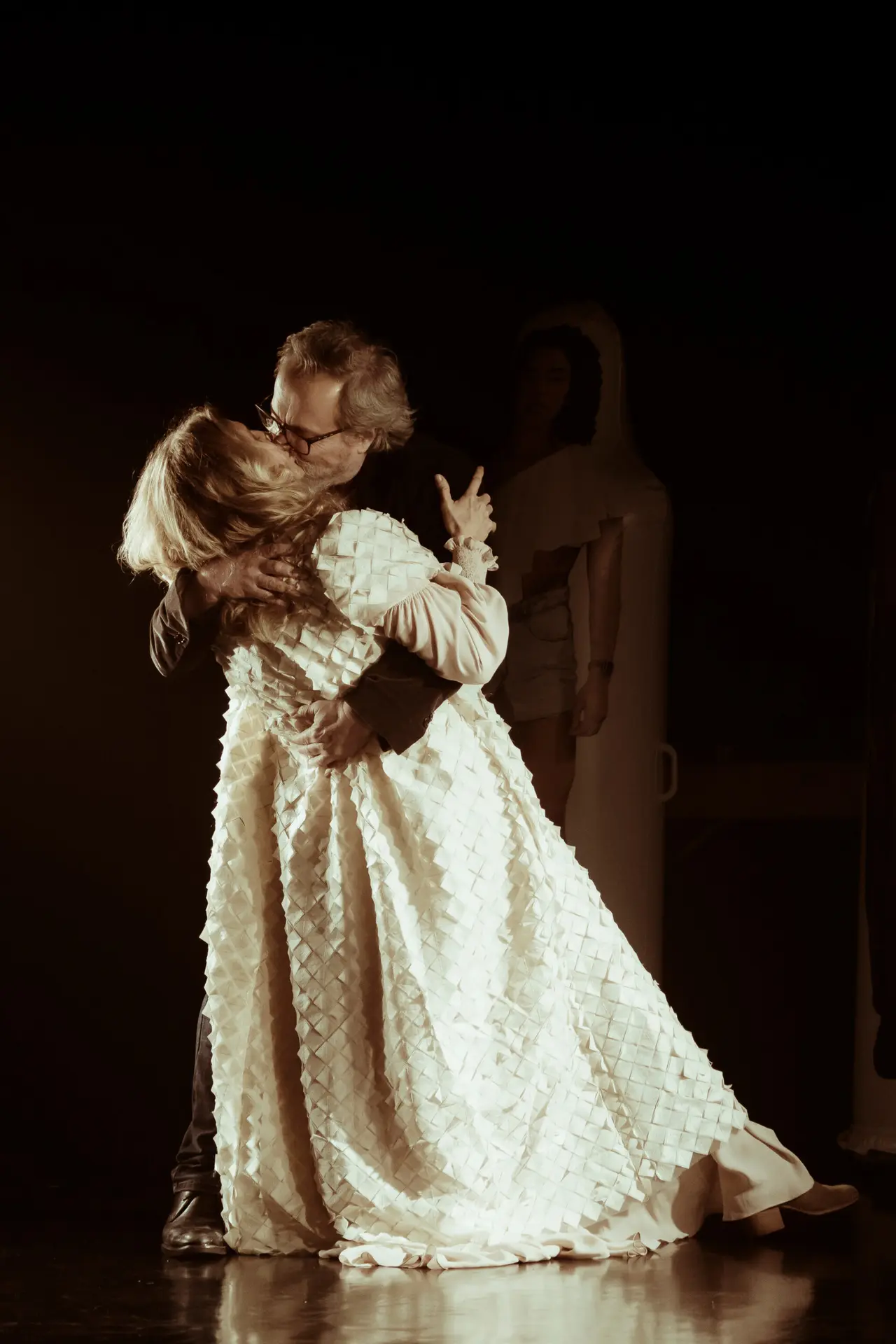
The entrance of Chekhov himself (Leonardo Medeiros) into the story (it is theater, after all!) adds a metatheatrical element to the play, reaffirming the Russian author’s timelessness and the depth of his influence, even amidst the heat of Rio.
A Garden for Chekhov celebrates theater and its capacity to connect us to the past as we reflect on the present. By bringing Chekhov to the stage—both literally and symbolically—the production reaffirms the power of the Russian writer’s work as a lens through which we continue to view the complexity of the human condition. Much as The Cherry Orchard addresses transition and letting go, this play by Pedro Brício invites us to view the theater as a space of resistance, transformation, and memory.
The figure of Chekhov—appearing as a ghost or an interlocutor—serves as a theatrical device that reinforces the universality of his themes. Although set in present-day Rio, the play engages with universal issues such as the fear of being forgotten, resistance to change, and the need to find meaning amidst the banality of everyday life. Alma Duran, the protagonist, is an artist who—like all of us as we age—reflects on her relevance in a world that seems increasingly indifferent to art and tolerant of intolerance.